
🎤 Interview Intro
“Today I’m thrilled to welcome Italian DJ and producer Julius Arth, a rising force in the electronic and tech‑house scene. With roots in Vercelli, he’s been turning heads across Europe since 2023—dropping dramatic and energetic tracks like “Heart For You,” “Game of Life,” and most recently the high‑energy tech‑house anthem “WEKND.” His sets have lit up iconic venues from Ministry of Sound in London to ADE in Amsterdam. Julius blends club and techno cultures with melodic flair, and has already earned support from industry heavyweights like Dimitri Vegas & Like Mike and Spinnin’ Records. We’re excited to dive into his creative process, musical influences, and what’s next on his journey. Welcome, Julius!”
QUESTIONS:
So tell me a little about your background.
I was born and raised in Vercelli, Italy—right now it’s scorching hot and humid! I’ve been making music for the past 10 years. I started out with classical training, primarily in piano, which eventually sparked my curiosity for electronic music. That curiosity evolved into passion, and I began exploring EDM more seriously. I also practiced drums for a year and took a sound engineering course, which gave me a solid foundation in music theory. Understanding how music is structured has really helped shape my production style—I can now reinterpret sound in my own unique way.
Have you taken any courses to improve your music skills?
Yes, definitely! I’ve attended the Toolroom Academy and the Voltage Circus Marketing Masterclass. I also completed DJ and mixing/mastering courses with Mat Academy, as well as a mixing and mastering masterclass with Kevin Grainger from Wired Masters—who’s worked with artists like Swedish House Mafia and Chris Lake. I also studied at SAE Institute in Milan.
Fun fact: I actually studied Sports Science for five years and currently work as a personal trainer. When I’m not working, I’m always in the studio creating.
How do you balance your work life and music career?
I’m lucky that my job gives me a flexible schedule, so I can manage my time between work and music. It allows me to spend quality time in the studio, whether I’m producing tracks or working on marketing and artist management.
Who are some of your biggest inspirations?
There are many, but the artists who really pulled me into EDM were Swedish House Mafia—especially Axwell and Steve Angello. This was during the golden era of EDM, when house music was exploding worldwide. Their sound and production quality were so captivating that I felt inspired to create music just like them.
How would you describe your music style today?
My sound has definitely evolved over the years. Nowadays, I lean more toward the underground side of things—blending house, tech-house, and touches of techno with melodic elements. My focus is always on creating tracks that move people emotionally but are still tailored for the club. The goal is to build an atmosphere that’s both danceable and deep, with a distinct underground flair.
What’s your creative process like?
It really depends on my mood and the moment. Sometimes I start with a melody, other times I’ll begin with a gritty bassline and a punchy kick. For example, my track “WEKND” actually started with a Splice sample that sparked my inspiration. I love using Splice for sound discovery, but I try not to rely on it too heavily. I prefer building tracks from scratch and just using samples to enhance the uniqueness of the final product.
What are your thoughts on collaborations?
Collaborations are essential in this industry. You grow not just as an artist but also in terms of your audience. For example, if I have 10K followers and I collaborate with another artist who also has 10K, suddenly we’re both reaching a combined 20K. Beyond reach, you also learn so much from each other—different production techniques, workflow tips, even just fresh creative perspectives. It’s a win-win every time.
Tell us about some of your most memorable gigs.
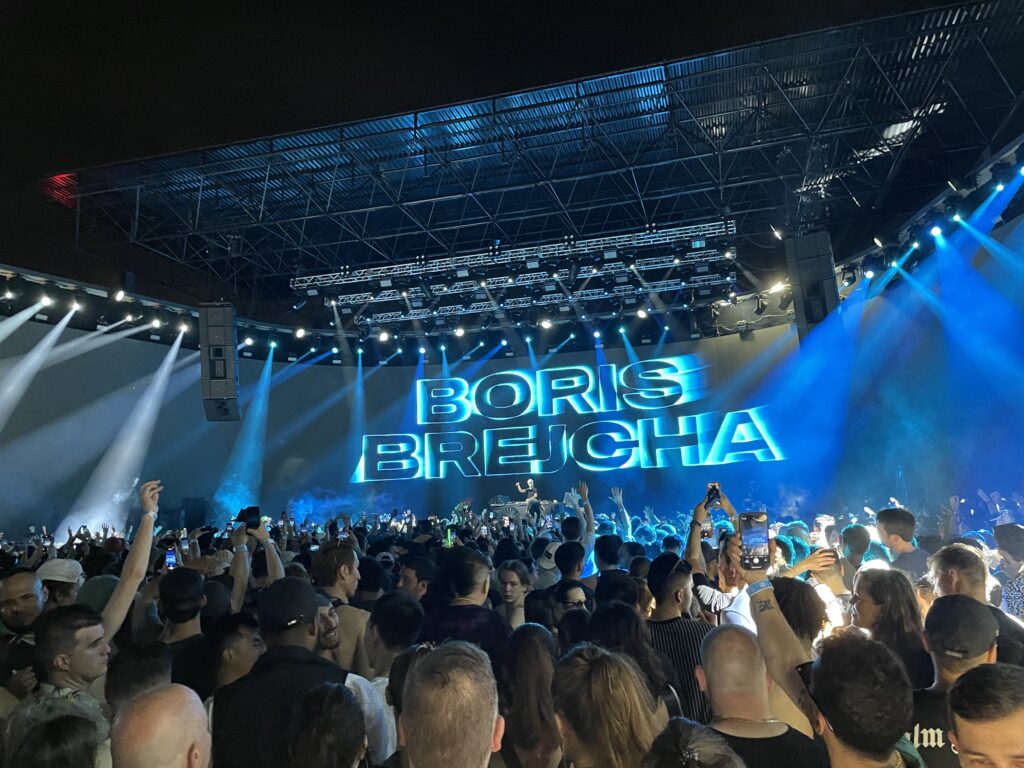
One of the highlights was definitely playing at Ministry of Sound in London. It’s such a legendary venue with decades of history and an international crowd that brings unbelievable energy. I played the smaller, more underground stage—which was perfect for my style. Another standout show was at ADE, where I performed at Olivia Club in Amsterdam, right next to the iconic Escape venue. The whole vibe was unforgettable.
Have you received support from notable names in the industry?
Yes, I’ve been fortunate to receive support and recognition from some amazing names: Dimitri Vegas & Like Mike, Lost Frequencies, Mark Knight, Paco Osuna, Spinnin’ Records, Tomorrowland One World Radio, BBC Radio, and Nexus Radio have all shown love to my work.
Mental health is a big topic in music right now. What’s your take?
Absolutely—it’s something everyone deals with in some way, not just artists. One of the biggest challenges in music is dealing with rejection. You hear a lot of “no’s” before you ever hear a “yes.” That’s why it’s so important to develop resilience and not take rejection personally.
When labels turn down my tracks, it’s often not about the quality—it might just not fit their current vibe, or they’re overloaded with releases. You have to keep going.
I also think it’s crucial to have a support system—people who understand the industry, whether they’re fellow artists, mentors, or friends. Honest feedback and different perspectives help pull you out of your own head and improve your work. It’s also a good idea to reach out and connect with others on platforms like Instagram—you never know where those conversations can lead.
What’s coming up next for you?
Right now, I don’t have any shows booked, but I’m planning to return to DJing around October, just in time for ADE. Until then, I’m deep in production mode—finishing up some collaborations and solo tracks that will be released through a label soon, though I can’t reveal the name just yet. Stay tuned!